
In hydraulic systems, precision control is vital to ensure both performance and longevity. One of the critical components in achieving smooth operation is the hydraulic cylinder cushion. Without proper cushioning (and without other speed controls), a cylinder stops abruptly at the end of its stroke. This abrupt stop creates potentially damaging mechanical stress. In applications with heavy loads, hydraulic cylinder cushions prevent sudden stops and protect safety.
Why Do You Need Hydraulic Cylinder Cushions?
A cylinder without cushioning hits the end of its stroke hard. The moving load’s momentum creates a sudden, jarring stop. This repeated shock damages components over time. High-pressure or heavy-load systems suffer most. Cushioning solves the problem. It restricts hydraulic fluid flow at the end of stroke. This restriction creates gentle, controlled deceleration every time.
Cylinder cushions go beyond just protecting the machine. They also act as a vital safety feature. This is especially true on aerial devices where people work right on the equipment. A sudden stop doesn’t only damage the machine; it can seriously injure the operator. Cushions give you smooth, controlled deceleration instead. That protects both the equipment and the people using it. The result? Much smoother operation and a dramatically lower chance of injury.
How Do Hydraulic Cylinder Cushions Work?
Hydraulic cylinder cushions work by restricting the flow of hydraulic fluid as the cylinder reaches the end of its stroke, allowing for a controlled, gradual deceleration. The cushioning effect is achieved through a combination of fixed pressure, restricted flow areas, and calculated flow control.
Types of Hydraulic Cylinder Cushions
Hydraulic Cushions
- Cast Iron Ring: This is Aggressive Hydraulics’ preferred cushion due to its ability to withstand high loads and maintain performance in demanding applications.
- Spear/Sleeve: These cushions work by restricting hydraulic fluid using a spear or sleeve entering a concentric bore and slowing restricting the area for the fluid to exit the port.
- Progressive Cushioning: This design uses a series of progressively smaller holes allowing more fluid through at the beginning of the cushion and less at the end, providing a smooth, gradual deceleration.
Non-Hydraulic Cushions
- Electrical/Proportional Control: These advanced systems use sensors and electrical control to regulate the movement of the cylinder.
- Bumpers: These are simple soft mechanical stops used in certain low-speed, low-impact applications. (typically, in pneumatic applications only)
Understanding Application Loads, Flows, and Pressures
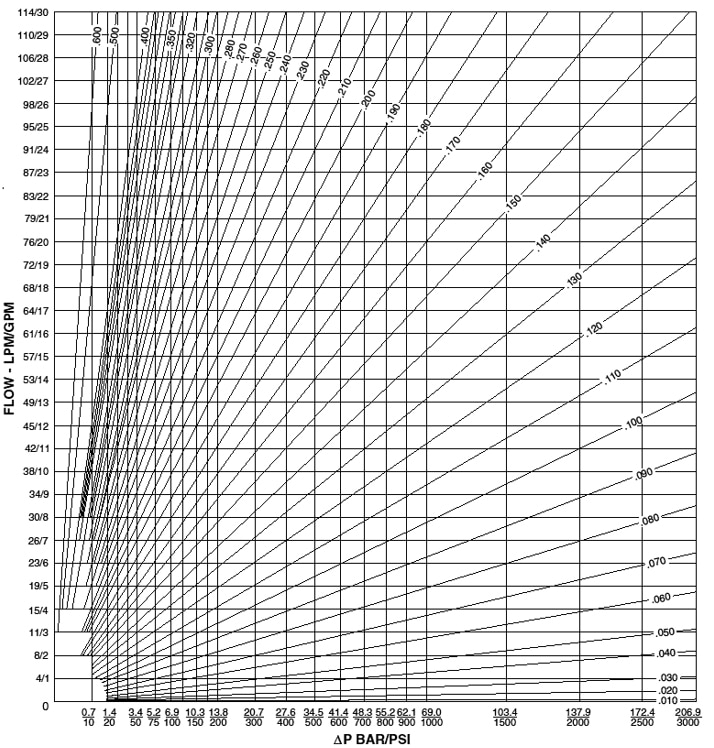
It is critical to understand the specific loads, flows, and pressures involved in any hydraulic system when designing or selecting a cushion. Improper cushioning can lead to performance issues, including pressure intensification, contamination risks, and even damage from fast start-up or hard stops.
Aggressive Hydraulics has the expertise, calculators, and tools to ensure that the right cushion is selected and properly implemented for each application. Our experienced engineers understand the unique requirements of each project and provide solutions that ensure smooth performance and durability.
Quick Break-Away and Return to Normal Operation
Once a cylinder completes its extend or retract stroke, quick break-away is essential. This means that after the cushioning phase, the cylinder must smoothly return to normal operation without delay. Aggressive Hydraulics designs systems that allow for an easy transition between cushioning and regular performance, ensuring no lag in operations or damage from sudden starts.
Contact Our Experts Today
At Aggressive Hydraulics, we take pride in our Purpose-Built™ Custom Hydraulic Cylinders and our commitment to customer satisfaction. Our customer service team is made up of experts who are ready to assist with any questions or challenges you may face. Whether you need guidance on selecting the right hydraulic cylinder cushion or require support for your next project, our team is here to help.
