Hydraulic Cylinders are the Future of Clean Energy
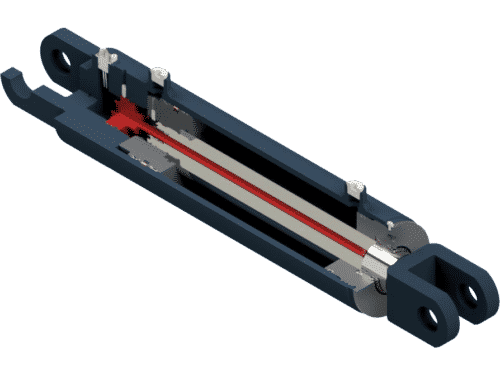
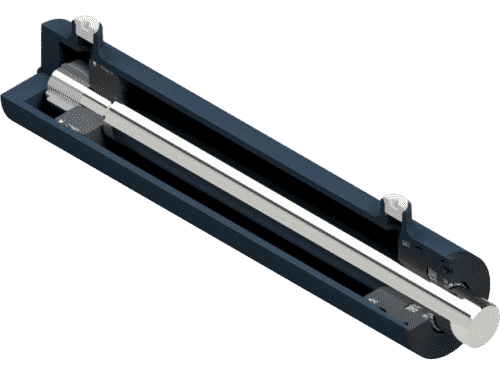
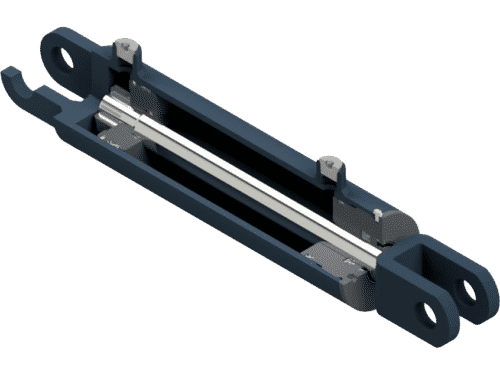
The industrial era was a significant turning point in the history of hydraulics, but today, hydraulic cylinders are at the center of the most impressive renewable energy production technologies. With high-pressure, high-power capabilities, hydraulic cylinders can help improve performance and safety, reduce maintenance, and extend the life cycle of renewable energy equipment.
Maximizing Wind Turbine Output
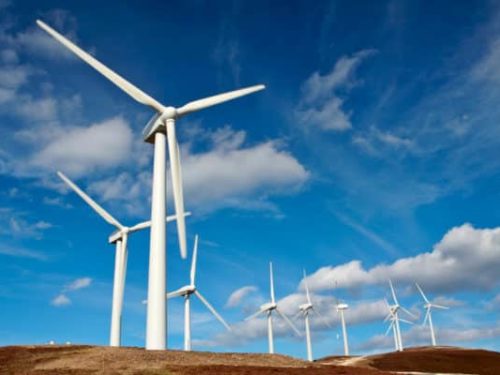
Wind power is relatively inexpensive compared to solar and wave power. It also offers the easiest access to existing power grids. Hydraulic cylinders keep wind turbine blades angled in the best position to capture energy from the wind.
Maximizing wind power requires constant adjustment to each blade’s angle. Turbines must hold the best position while turning at a steady, controlled speed. Position-sensing cylinders and other advanced hydraulic technology help wind turbines operate at peak effectiveness. In addition, computer-aided systems monitor each cylinder’s position 24/7, helping commercial wind farms optimize every turbine’s efficiency.
Achieving Correct Solar Panel Positioning
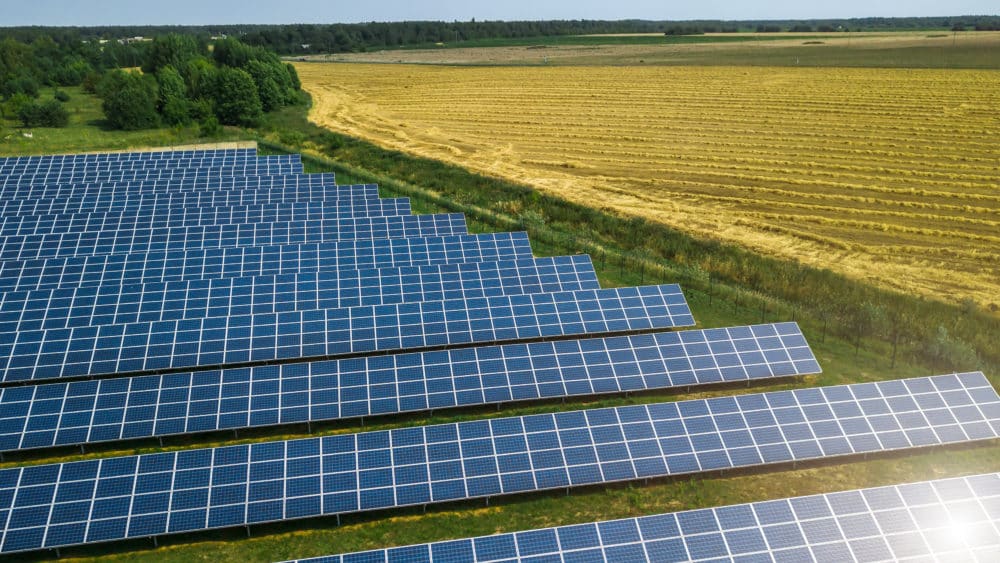
Solar power spans a range of commercial and residential applications. On larger solar farms, hydraulic cylinders position rows of panels to reflect the sun’s rays onto a central tower. As the concentrated light heats water inside the tower, the steam turns a turbine. That turbine then generates electricity.
Smaller solar farms, and even residential systems, also benefit from accurate positioning with hydraulic cylinders. The sun moves constantly, so the panels must move as well to stay in the best position. In this clean energy hydraulic cylinder application, position-sensing technology adds another advantage. It allows operators to control and monitor each cylinder’s position remotely.
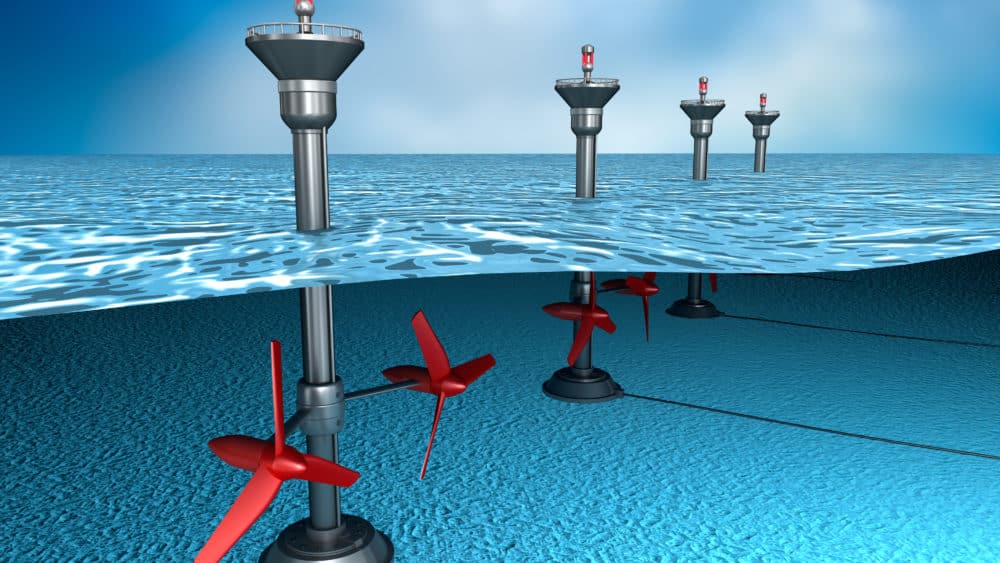
Optimizing Hydroelectric and Wave Power
Preventing hydraulic system failure in these environments requires long-lasting hydraulic cylinders capable of withstanding heat, cold, seawater, and other harsh elements. Here, a highly durable cylinder design is just as important as accurate positioning and high load capacity.
Finding the Right Hydraulic Cylinder for Clean Energy Applications
Using the right cylinder makes a world of difference in how well and how long mechanical equipment operates. An advantage of custom hydraulic cylinders is the ability to design the cylinders based on the specific performance needs of your solar, wind, or wave power equipment.
Constant exposure to heat, cold, moisture, and particulates requires hydraulic cylinders with a rugged, corrosion-resistant exterior and high-quality seals. And since most clean energy production equipment sits in isolated, hard-to-access areas, a design that maximizes efficiency and output and minimizes maintenance is critical.
The role of hydraulic cylinders in the renewable energy sector is constantly evolving. Aggressive Hydraulics has and continues to play an active role in developing and supplying thought-driven hydraulic cylinder technology for this environmentally cautious market.
Our engineers have the design knowledge and industry expertise to help manufacturers discover new ways to control and monitor clean energy equipment. Contact our Hydraulic Cylinder Experts at 866-406-4100 to discuss sustainable solutions for your renewable energy application.